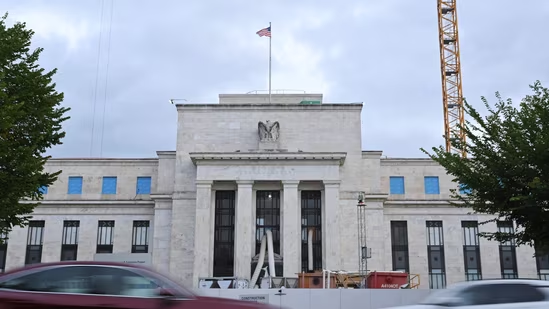
Fed’s Economic Revisions 2024: Are We Being Misled?
The Fed’s economic revisions in 2024 have drawn both praise and skepticism.
They suggest Americans are earning and saving more than earlier reports indicated, making the economy appear healthier. But do these numbers tell the real story? Or are they just a way to prop up public confidence?
Key Takeaways:
- The Fed’s economic revisions in 2024 inflated income, savings, and GDP data, suggesting economic strength.
- Critics argue that the revisions present an overly optimistic view of the U.S. economy.
- Despite the data, the Fed plans to cut interest rates cautiously, relying on incoming reports.

The Income and Savings Boost
The revisions show that U.S. income and savings rates are higher than previously thought. This shift suggests that consumer spending is more sustainable than first feared.
However, critics worry that this upward adjustment may paint an overly rosy picture. Are these revisions reliable, or is the data cooked to create optimism? The question remains whether this newfound strength truly reflects reality.
GDP Revisions: A Stronger Economy?
The Q2 2024 GDP revision also showed better growth than first estimated. This has led to optimism about avoiding a recession. While the revised data supports the Fed’s message that the U.S. economy is strong, it may hide deeper issues. Inflation and a cooling labor market remain concerns. Is this GDP growth enough to mask other potential problems?
Interest Rates: Slow to Cut, But Why?
Despite these positive revisions, the Fed is taking a cautious approach to interest rate cuts. Jerome Powell made it clear that future cuts will depend on data.
The Fed’s economic revisions in 2024 might have boosted confidence, but they’re not enough to push for aggressive rate reductions. This slower approach hints that even the Fed has reservations about the accuracy of the current data.
Are the Numbers Too Good to Be True?
Many are asking if the Fed’s economic revisions are too optimistic. The revisions suggest a stronger economy, but rising inflation and increased costs could still strain household finances. Critics argue that the revised savings rate may not reflect real financial security for many Americans. With these concerns in mind, it’s fair to question whether the data fully reflects the economic reality.
What’s Next?
As the Fed approaches its November 2024 meeting, all eyes will be on employment and inflation reports. These will guide the Fed’s next moves on interest rates. While the Fed’s economic revisions in 2024 show stability, any unexpected data could shift policy.
Disclaimer: Information on Finvord is for informational purposes only and does not constitute financial advice. We do not recommend or advise on specific investments. Always conduct your own research and consult a licensed professional before making financial decisions. Investing carries risk, including potential loss of principal. Finvord is not liable for any losses resulting from the use of this information.




Comments 1